


Professional treatments for whitens yellowed clothes go beyond home remedies and offer targeted, fabric-safe solutions. Here are some of the most effective options used by cleaning professionals and laundry services.
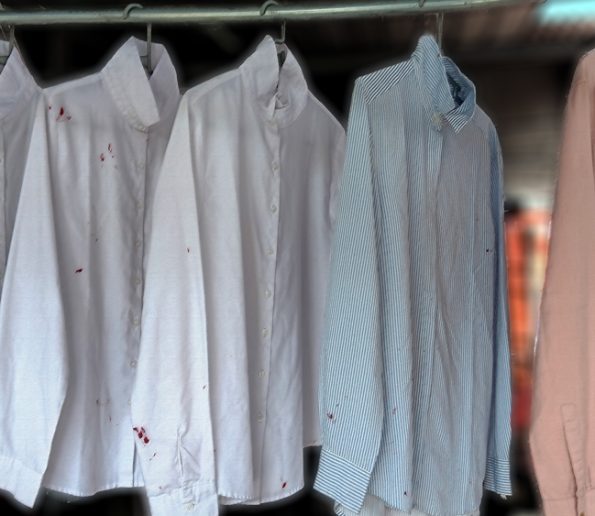
Yellowing of clothes—especially whites—is a common laundry problem, and it’s often more than just age or wear, especially around the neck and underarms. Let’s discuss the main causes of this annoying discoloration and how it affects fabrics:
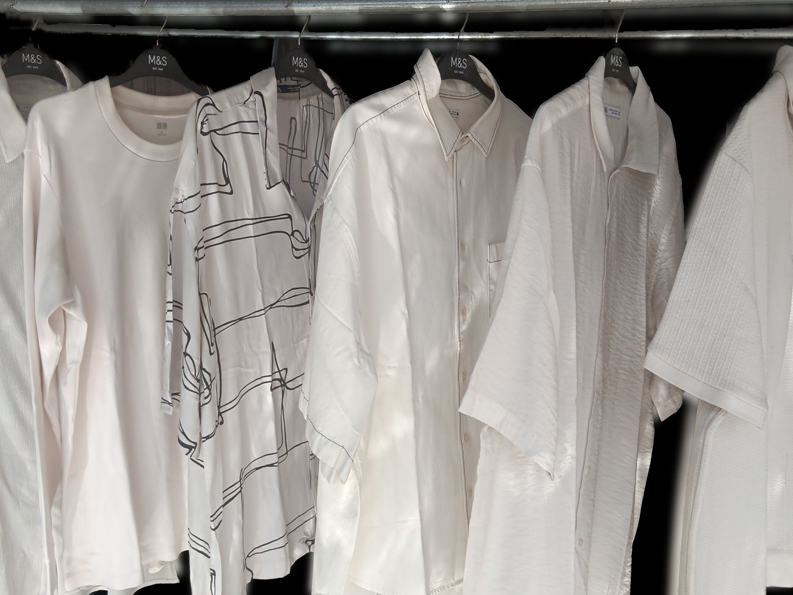
Your white clothes can stay bright and fresh for longer. Just make sure you use premium detergent and wash them properly!
Shella Laundry Express Surabaya
Understanding the Causes of Yellowed Clothes
The Most Effective Type of Detergent When it comes to whitens yellowed clothes, choosing the right detergent is crucial. Bezact detergent is known for its oxygen bleaching properties, which are safe for all fabric types. Its powerful formula can effectively remove stubborn stains and yellowing, leaving your clothes looking fresh and clean. Alternatively, you can also choose a detergent specifically formulated to whiten or brighten clothes.
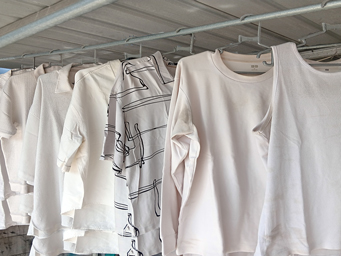
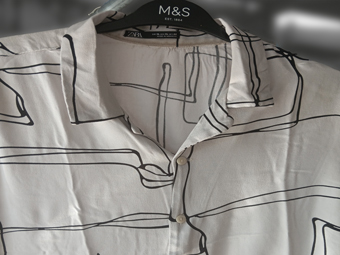
Several factors can cause fabric or clothing fibers to yellow, reducing the fabric’s brightness.
- Fabric Aging: Over time, fabric fibers can break down, causing the fabric to yellow. This is especially common with natural fibers like cotton and linen
- Improper Washing Techniques: Using the wrong detergent, not rinsing clothes thoroughly, or washing white clothes with colored clothes can cause fabric to yellow.
- Chemical Exposure: Bleach, chlorine, and certain dyes can cause fabric to yellow over time. This is especially true for synthetic fabrics.
- Environmental Factors: Exposure to sunlight, heat, and humidity can accelerate the yellowing process
🟡 Common Causes of Yellowing in Clothing
-
Sweat & Body Oils
-
Natural secretions contain salts and iron ions, which react with fabric over time.
-
Most noticeable in underarms, collars, and other high-contact areas.
-
-
Deodorants & Antiperspirants
-
Ingredients like aluminum compounds can bind with sweat and cause yellow stains.
-
Frequent use without proper washing accelerates buildup.
-
-
Overuse or Misuse of Bleach
-
Chlorine bleach, when used excessively or improperly, can cause yellowing.
-
It weakens fibers and leaves behind alkaline residues that discolor over time.
-
-
Hard Water & Iron Content
-
Water with high mineral content (especially iron) can leave deposits in fabric.
-
Even trace amounts of iron—above 0.3 mg/L—can cause noticeable yellowing.
-
-
Detergent Residue
-
Alkaline detergents that aren’t rinsed thoroughly leave behind residues.
-
These residues attract dirt and react with minerals, leading to dullness and yellowing.
-
-
Oxidation & Air Exposure
-
Prolonged exposure to oxygen and light can oxidize fibers, especially in natural fabrics like cotton and linen.
-
Poor storage (damp, dark, or unventilated areas) worsens the effect.
-
-
Heat Damage
-
High dryer temperatures can set stains and residues permanently.
-
This makes yellowing harder to reverse.
-
Prevention Tips
Use oxygen bleach, not chlorine, for bleaching. Rinse thoroughly and consider a high-acid rinse (such as vinegar) to neutralize residue.
For Whitens yellowed stains, consider pre-soaking them. Mix water with oxygen bleach or an alternative, such as BeZact Detergent. Soak your clothes for about 30 minutes before washing. You’ll be amazed at how vibrant your clothes’ colors become!
Detergent that has a high quality formulation, reaction speed and proper application technique.
Shella Laundry Express Surabaya
Recommended soaking duration and water temperature
For best results when whitening yellowed clothes, it’s important to soak them for a sufficient amount of time. BeZact detergent is safe enough to soak overnight.
Regarding water temperature, using warm water can help the detergent work more effectively to remove stains and yellowing. However, be careful about using hot water, as it can damage delicate fabrics.
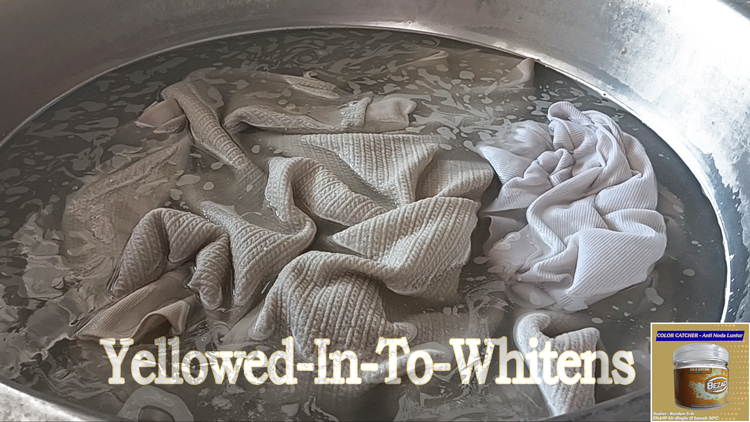
🌡️ Water Temperature
The temperature of the soaking water can significantly affect the effectiveness of the bleaching process. The following are the ideal soaking water temperatures:
-
Cold Water Soak:
-
For delicate fabrics or items requiring more gentle care, a cold water soak is recommended, and the use of BeZact Gold, which contains TAED (Cold Water Activator) Stabilizer, is recommended.
-
-
Warm Water Soak:
-
Warm water (around 27°C to 32°C) is often recommended for most fabrics. Warm water can help loosen dirt and residue more effectively and is ideal for using the BeZact Pro Version, which combines the Protease Enzyme.
-
-
Hot Water Soak:
-
For very dirty or stubborn yellowish stains, a hot water soak (around 60°C to 71°C) can be used. Ideal for the BeZact STD Version.
-
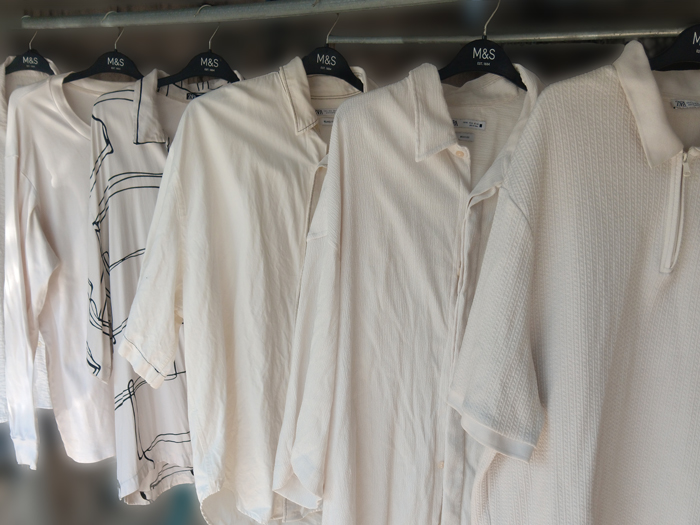
⏱️ Soaking Duration Whitens Yellowed clothes
Soaking times also vary depending on the severity of the yellowing and the type of fabric. Here are some general guidelines:
- Mild Yellowing: For mild yellowing, soaking for 30 minutes to 1 hour in cold or warm water is usually sufficient.
- Moderate Yellowing: For moderate yellowing, soaking for 1 to 2 hours in warm water is recommended. Adding a bleaching agent, such as sodium carbonate or sodium percarbonate, may improve results.
- Severe Yellowing: For severe yellowing, soaking for 2 to 4 hours in hot water may be necessary. This longer soaking time allows the solution to penetrate deeper into the fabric, breaking down stubborn residue.
🧪 Whitening Boosters to Add
Hydrogen peroxide – H₂O₂ is the simplest peroxide and is widely used as an oxidizer, bleaching agent, and disinfectant. The chemical properties of hydrogen peroxide are dominated by its unstable oxygen-oxygen bond. Hydrogen peroxide is kinetically stable without catalysts or other accelerating factors (e.g., light, heat), and strict storage conditions (usually involving radical scavengers, minimizing transition metal ion sources, and an acidic pH) can minimize decomposition. However, even low levels of decomposition produce oxygen, which can pressurize sealed equipment and create an oxygen enrichment in the headspace of the container.
In the world of laundering & Treatment, there’s a common problem: yellowing of clothes. Over time, fabrics can yellow due to a variety of factors, including sun exposure, detergents, and even the natural aging process. UV light can be a very effective ally in restoring the brightness of yellowed clothing—especially whites and natural fabrics. Some processes include photobleaching, enhanced oxidation, enzyme activation, and eco-bleaching..
Photobleaching is a process in which UV light, combined with optical brighteners and polymers, restores the yellowed color.
Shella Laundry Express Surabaya
The Power of UV Light: How It Can Whitens Yellowed Clothes
Ultraviolet (UV) light is a form of electromagnetic radiation with a wavelength shorter than visible light but longer than X-rays. It is part of the broader solar spectrum and is divided into three categories: UVA, UVB, and UVC. UVC is most effective at killing bacteria and viruses.
Some of the process Methods seem unusual, It would be better to understand, Here are the Process Methods:
🌞 How UV Light Whitens Yellowed Clothes
-
Photobleaching Effect
- UV rays trigger a photochemical reaction that breaks down yellowed organic compounds in fabric.
- This process is similar to how sunlight fades colors—but in this case, it helps remove discoloration.
-
Oxidation Boost
- UV exposure enhances the action of oxygen and moisture, promoting natural bleaching. Works especially well when combined with oxygen-based detergents or peroxide treatments.
-
Enzyme Activation
- Some advanced detergents contain photo-activated enzymes that respond to UV light, increasing stain breakdown efficiency.
-
Eco-Friendly
- Whitening No harsh chemicals needed—just sunlight and time.
- Ideal for delicate fabrics that can’t tolerate aggressive bleach.
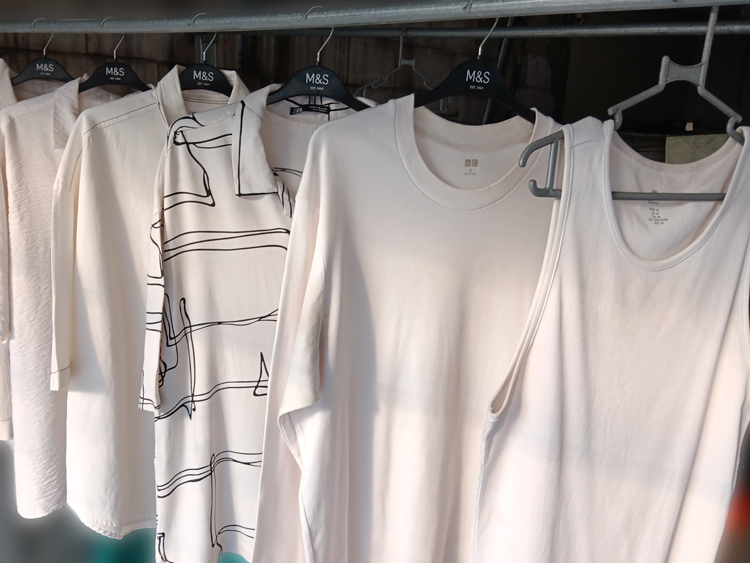
Using UV light to whiten yellowed clothes is a powerful, natural, and environmentally friendly solution. By breaking down the molecules that cause yellowing, UV light can restore fabric to its original whiteness without the need for harsh chemicals. While the initial cost and limited availability of UV light machines are minor drawbacks, the benefits far outweigh them. UV light offers a practical and effective way to keep your clothes fresh and clean.
Special UV light machines are available for home use. These devices emit UV light that can be used to treat yellowed fabrics. Here’s how to use them:
- Remove stains or dirt from the fabric or soak with BeZact detergent and rinse thoroughly.
- Dry the garment in the UV light machine. Or hang it in the sun.
- Drying time can vary, but most machines recommend between 10 and 30 minutes. It’s important to follow the manufacturer’s instructions to avoid overexposure, which can damage the fabric.


